Disclaimer: The insurance information provided here is for general knowledge only and does not replace advice from licensed insurance professionals. Please consult a qualified advisor for coverage decisions.
Understanding the requirements for flood insurance can be daunting. This article provides a comprehensive guide on choosing the right flood insurance carriers to protect your home and assets effectively.
What is Flood Insurance and Why Do You Need It?
Definition and Importance
Flood insurance is a specialized policy designed to protect property owners from financial losses due to floods. It is critically important for homeowners especially in areas that are exposed to flood risks.
With changing weather patterns and increased urban development, floods have become more common, augmenting the significance of having flood insurance. Without such protection, the financial consequences of flood damage can be devastating.
Investing in flood insurance ensures that homeowners are not left bearing the brunt of repair costs, providing a vital safety net. Regardless of whether you live in a high-risk flood zone, the peace of mind that insurance offers is invaluable.
Risks Without Flood Insurance
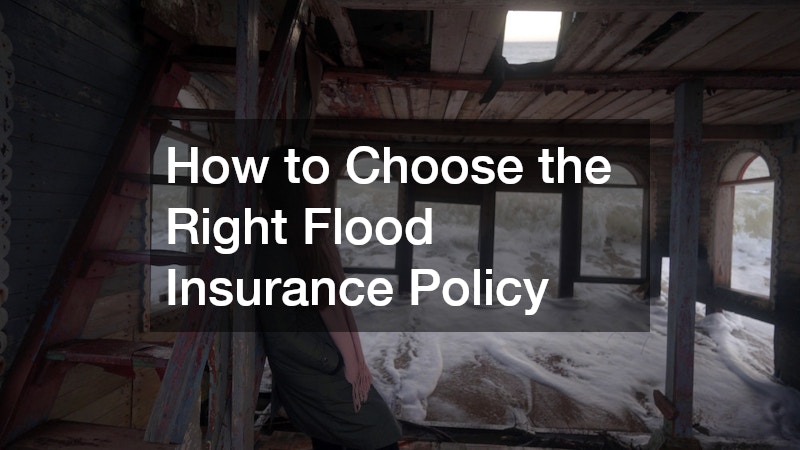
Floods can cause significant damage to homes, often requiring costly repairs and replacements. Lacking appropriate flood insurance coverage can place homeowners in a precarious financial situation.
The potential financial burden includes not just property damage but also the risk of losing personal belongings and assets. In high-risk flood areas, this risk is compounded, making insurance not just a precautionary measure but a necessity.
For many, rebuilding after a flood is financially impossible without some form of insurance assistance. Thus, flood insurance provides a critical safeguard against unexpected natural disasters.
How Do Flood Insurance Premiums Work?
Factors Influencing Premiums
Several factors can impact the cost of flood insurance premiums, with location being one of the most significant. Homes situated in high-risk flood zones typically face higher premium rates due to the increased likelihood of flooding.
The structure of the home also influences premium costs; properties built to withstand flooding may benefit from reduced rates. Factors such as the home’s elevation, construction material, and proximity to water bodies play crucial roles in determining premiums.
Additionally, flood risk assessments are conducted, evaluating past flood events and potential future risks, which can greatly impact premium levels. Awareness of these factors allows homeowners to understand and potentially manage premium costs more effectively.
Tips for Reducing Premium Costs
There are several strategies homeowners can employ to potentially lower their flood insurance premiums. Elevating the home above typical flood levels is one effective method to reduce costs.
Another approach is to install floodproofing features, such as water-resistant barriers and sump pumps, which may also contribute to premium reductions. Additionally, consistently maintaining flood defenses and demonstrating proactive flood risk management can be beneficial.
Homeowners can also inquire about discounts or community programs aimed at reducing risks, which some insurers may offer. By taking these proactive steps, it is possible to secure comprehensive coverage at a more affordable rate.
What are the Different Types of Flood Insurance Policies?
Understanding NFIP vs. Private Flood Insurance
The National Flood Insurance Program (NFIP), established by the federal government, offers standardized policies for flood-prone homeowners. However, private flood insurance policies are an alternative, often featuring more customizable options.
While NFIP policies are available to all homeowners in participating communities, they might have limits on coverage amounts. Private insurance can fill this gap by offering more comprehensive coverage tailored to individual needs.
Choosing between NFIP and private insurance depends on factors such as specific coverage requirements and budget considerations. Understanding these differences is key to selecting the most suitable flood insurance policy for your situation.
Choosing the Right Coverage for Your Needs
Determining the right flood insurance coverage involves assessing your specific needs and the risks your property faces. Evaluating factors such as property location, value, and any existing structural modifications is crucial.
You should also consider the value of personal belongings and any potential living expenses in the event of temporary displacement. Balancing these considerations with your budget will guide you in choosing appropriate coverage.
Consultation with an insurance professional can help you understand available options and ensure a well-informed decision. By aligning your policy with personal and property-specific needs, you achieve comprehensive protection and peace of mind.
Selecting the right flood insurance policy is essential for protecting your home and financial future. By understanding your specific needs and the options available, you can make informed decisions that provide peace of mind.