Disclaimer: The insurance information provided here is for general knowledge only and does not replace advice from licensed insurance professionals. Please consult a qualified advisor for coverage decisions.
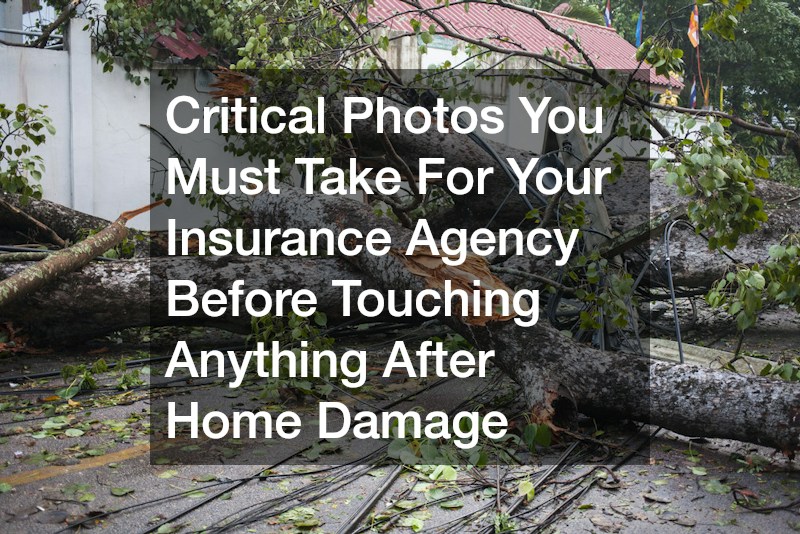
When severe weather, unexpected natural disasters, or sudden structural accidents strike your property, the immediate physical aftermath can feel completely overwhelming. Your first natural instinct as a dedicated property owner is usually to jump straight into cleaning up the mess, sweeping away shattered debris, throwing out ruined belongings, or starting urgent property repairs. However, moving forward with any physical restoration or cleanup before thoroughly documenting the scene with comprehensive high-resolution photographs can be a massive and costly mistake. Insurance claims rely entirely on objective, undeniable photographic evidence of the initial state of destruction to establish the full scope and cause of your loss.
Before you move a single piece of debris, disturb any damaged materials, or attempt to make temporary fixes, taking detailed, systematic photographs of your entire property from the outer perimeter down to the deeply hidden infrastructure is essential. Taking quick or careless snapshots of visible damage is rarely sufficient to guarantee a full and fair payout from an insurance adjuster. Insurance representatives are trained to inspect properties with extreme scrutiny, often looking for pre-existing wear and tear, neglect, or lack of maintenance as reasons to reduce or outright deny claims.
By carefully documenting every angle, capturing wide-angle context shots along with tight close-ups, and recording damaged functional systems, you build an airtight case that protects your financial interests. Documenting damage across your primary residence, detached structures, and subterranean utility connections ensures that every single dollar of destruction is fully accounted for when your adjuster arrives. Beyond simple visual proof, immediate photographic evidence serves as a critical defense against common policy exclusions and coverage disputes. In the chaos following a major disaster, emergency crews and cleanup contractors often move swiftly to clear fallen trees, tear down hazardous walls, or remove ruined drywall to prevent mold.
While these mitigation efforts are necessary for safety, they inadvertently destroy the raw visual evidence required to prove how the loss originally occurred. Without clear photos taken prior to cleanup, an insurance carrier might argue that secondary water intrusion was caused by slow neglect rather than a sudden roof puncture or that structural foundation movement resulted from longstanding soil issues rather than a sudden storm surge. Taking total visual ownership of your loss before anyone steps foot on the property puts you in the driver’s seat during claim negotiations. It allows you to produce a clear, chronological narrative of events that demonstrates exactly how the peril unfolded and which specific building components failed as a direct result.
Exterior Perimeter and Primary Siding Shield
Capturing the complete outer envelope of your home immediately after a major storm or unexpected impact is the foundational step of building an effective insurance claim portfolio. You should walk around the entire exterior baseline of your house, taking wide-angle shots from all four cardinal directions to establish total context before moving closer to document specific damage points. Pay careful attention to the vertical surfaces that absorb the brunt of high winds, falling tree limbs, or heavy hail impacts.
Highlighting cracked paneling, dented vinyl, split wood cladding, or missing protective layers proves to your adjuster that the damage was sudden and severe rather than the result of gradual age. If you need professional repairs later on, you can contact residential siding to help restore your home, but taking immediate photos ensures your carrier pays for the full scope of exterior restoration. Make sure your photographs clearly capture the following crucial details.
Roof Line Protection and Overhead Structural Loss
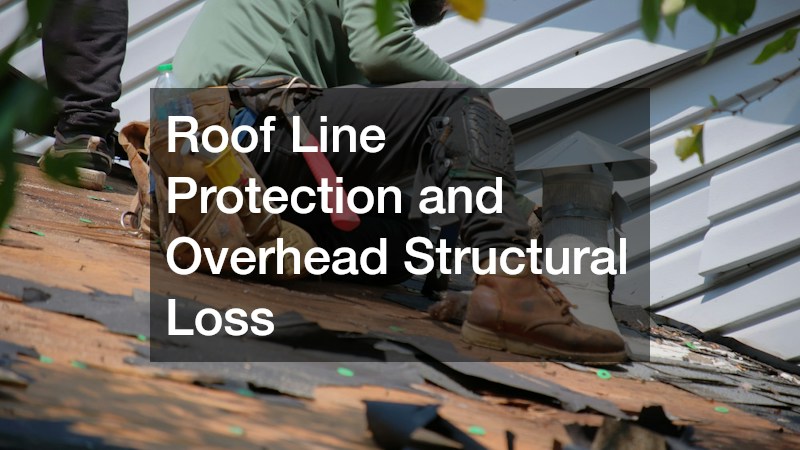
The upper structural envelope of your home is often the most vulnerable area during extreme weather events, yet it’s also the most frequently overlooked during initial photographic documentation due to accessibility challenges. Safely taking high-resolution pictures of dislodged shingles, damaged soffits, exposed decking, and broken flashing from ground level or a safe ladder position is critical.
Water can quickly penetrate compromised overhead structures, leading to secondary interior damage that your insurance company might refuse to cover if you can’t prove the initial storm impact caused the breach. After documenting the full extent of the overhead destruction, you can hire reroofing companies to repair or replace the damaged upper structure, but having unassailable visual evidence beforehand prevents adjusters from claiming the roof simply failed due to old age.
Drainage Systems and Foundation Water Protection
Heavy rains and severe storms can easily tear water management systems away from your roofline, leaving your foundation completely exposed to severe water intrusion and soil erosion. Documenting dislodged channels, bent metal troughs, cracked downspouts, and areas where water has overflowed onto your surrounding foundation walls provides clear proof of structural impact.
Capturing clear pictures of these drainage failures helps demonstrate how water migrated into basement walls or compromised outer foundation integrity. Once you’ve thoroughly photographed every bent section and pulled-away anchor, reaching out to local seamless gutter companies will help ensure proper drainage is re-established, but your photos will guarantee that the initial destruction of your water control system is fully compensated in your final insurance policy settlement.
Ground Flatwork and Exterior Concrete Integrity
Extreme structural impacts, falling heavy branches, rapid soil erosion, or severe water accumulation can cause significant structural shifting, cracking, and heaving in your surrounding flatwork. You must photograph all visible fractures, lifted slabs, shifted walkways, and cracked driveways surrounding your home immediately following an incident.
Take clear photographs with a scale reference, such as a tape measure or coins placed next to large cracks, to visually prove the exact depth and width of the recent displacement to your insurance company. After capturing clear images of every impacted ground surface, consulting with professional local concrete contractors will give you exact estimates for levelling or replacing damaged flatwork, while your detailed photos ensure the structural repairs are fully covered under your policy claim.
Detached Outbuildings and Specialized Farm Structures

If your property includes separate utilitarian outbuildings, specialized animal housing, or agricultural shelters, documenting their condition is just as important as photographing your primary home. Dislodged roof panels, bowed structural supports, damaged stalls, and compromised exterior walls on detached buildings are frequently questioned by insurance claims handlers if not properly documented right away.
Take expansive wide-angle photographs showing the outbuilding’s position relative to fallen trees or storm debris, followed by detailed interior shots of structural failures. After documenting the loss thoroughly, you can consult with experienced horse barn builders to assess structural stability and begin reconstruction, but your immediate photographs will prove that the destruction occurred during the policy-covered event.
Freestanding Backyard Features and Decorative Shade Structures
Shade pavilions, open-air garden shelters, and custom outdoor leisure features are highly susceptible to high wind uplift and falling tree limbs during severe weather. Walk around the entire perimeter of these detached structures to photograph broken support posts, cracked rafters, dislodged roofing materials, and displaced footings before clearing away fallen branches or debris.
Be sure to capture images showing how the surrounding environment caused the damage, such as a heavy limb resting directly on top of the structure’s frame. Once your clear photographic documentation is completely finished, you can hire a professional local gazebo contractor to evaluate the damage and handle the rebuild, confident that your insurance adjuster has the exact visual evidence needed to approve the total loss.
Enclosed Vehicle Entryways and Overhead Barriers
High winds, flying debris, and severe structural shifting can cause massive, costly damage to exterior vehicle doors, tracks, and mechanical opening hardware. Take comprehensive, clear photos from both the inside and outside of your garage space, showing bent door panels, off-track rollers, cracked glass panes, and twisted structural frames.
Don’t attempt to force the door open or clear the pathway until you’ve photographed the exact state in which the storm or impact left it. After thoroughly documenting every single point of severe mechanical and structural failure, promptly contacting a reliable local garage door service will help restore vital security to your home, while your initial detailed photos establish that the damage was caused entirely by the sudden covered insured event.
Climate Control Hardware and External Mechanical Systems

External mechanical units, heat pumps, and outdoor cooling equipment are easily damaged by flying storm debris, rising floodwaters, or falling ice and heavy tree branches. Photograph the entire exterior machinery setup, focusing on dented outer fins, crushed fan guards, severed electrical conduits, and bent copper refrigerant lines.
It’s crucial to photograph any scattered debris or high water lines surrounding the equipment to prove the environmental cause of the mechanical failure. Once you’ve thoroughly documented every single side of the damaged unit, calling certified local air conditioner installers will allow you to get precise replacement estimates, ensuring your official insurance claim accurately reflects the full cost of fully restoring your home’s central climate control system to its original operating condition.
Private Water Supply Systems and Subterranean Equipment
When severe power surges, sudden ground shifting, or severe flooding impact your rural property, your private water supply system can suffer catastrophic internal or electrical damage. Take detailed, clear photographs of the above-ground pressure tanks, control boxes, power lines, and wellheads, noting any visible surface cracking, fire marks from electrical shorts, or floodwater submersion lines.
Because key operational components are buried deep underground, capturing clear pictures of the surface hardware and surrounding ground disturbance is crucial for proving the impact of the sudden event. After thoroughly documenting the visible surface destruction, hiring specialists in local well pump services will help quickly diagnose and repair deep system failures, while your photos provide the initial baseline proof strictly required by your insurance adjuster.
Subsurface Wastewater Lines and Underground Drainage
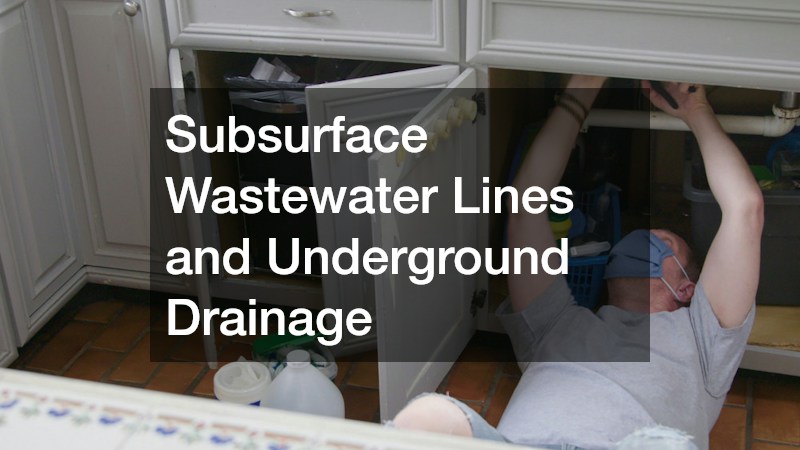
Underground drainage networks and waste pipes can suffer severe cracking, crushing, or displacement due to heavy vehicle traffic during emergency response, ground settling, or invasive tree root disruption following severe weather. Photograph any surface indicators of underground pipe failure, such as sudden ground sinkholes, soggy soil patches, or sewage backup near basement drains.
Since adjusters can’t see under the ground, capturing clear photos of surface disruptions alongside professional camera inspection footage of the pipe interior is vital. Scheduling a thorough professional sewer lateral inspection will allow technicians to pinpoint underground cracks and collapses, providing video and photo proof that guarantees these expensive subterranean repairs are properly included in your full insurance settlement.
Successfully navigating a property damage claim with your insurance agency relies heavily on the quality, detail, and timing of your initial photographic evidence. Taking the time to capture every aspect of structural, surface, and infrastructure damage before disturbing the scene gives you absolute control over the narrative of your loss. When you approach property documentation systematically, moving methodically from the outer perimeter down to specialized outbuildings and hidden subterranean utility connections, you leave no room for claims adjusters to dispute the validity or severity of your claim.
Remember that clear photographs serve as a permanent, indisputable record of reality at the exact moment the damage occurred. By documenting dislodged siding, ruined roofing materials, cracked concrete slabs, damaged outbuildings, broken climate control units, compromised water systems, and underground pipe failures before bringing in repair crews, you protect your financial investment and streamline the entire claims process. Once every angle, context shot, and close-up detail is safely stored in your documentation file, you can confidently reach out to specialized repair contractors, knowing that your insurance company has all the visual proof required to fully fund your home’s complete restoration.
Organize your images digitally into labeled folders corresponding to each area of the property, pairing each photo with brief notes detailing the date, time, and specific location. Additionally, consider keeping printed physical copies in a waterproof folder as a reliable backup. Backup these files immediately to a secure cloud server or external drive to ensure they can’t be lost if your devices are damaged during ongoing recovery efforts.
Presenting your insurance adjuster with a clean, fully organized photographic portfolio shows that you’re prepared, precise, and serious about receiving every dollar you’re entitled to under your policy terms. While property damage is always stressful, entering claim negotiations backed by thorough pre-cleanup visual evidence transforms a potentially hostile battle into a straightforward, businesslike payout process that gets your home restored faster.