
Disclaimer: The insurance information provided here is for general knowledge only and does not replace advice from licensed insurance professionals. Please consult a qualified advisor for coverage decisions.
Home insurance premiums are based largely on risk. Insurers consider how likely a property is to experience damage from fire, storms, water leaks, electrical failures, falling trees, theft, and other hazards. They also consider how expensive the home would be to repair or rebuild after a loss. Because of this, certain upgrades may help make a property safer and, in some cases, qualify the homeowner for discounts or more favorable coverage.
Not every renovation will reduce an insurance bill. A new kitchen or luxury bathroom may increase the home’s replacement value, which could raise the amount of coverage needed. Improvements that strengthen the structure, reduce water damage, improve emergency preparedness, or replace outdated systems are more likely to affect how an insurer views the property.
Before starting a major project, contact your insurance agent and ask which improvements may qualify for discounts. Requirements vary by carrier, region, and policy. Keep permits, invoices, warranties, inspection reports, and photographs so you can prove that the work was completed properly.
Strengthen Vulnerable Areas Before Making Cosmetic Changes

A property may look attractive while still containing hidden structural weaknesses. Loose roofing materials, damaged framing, cracked foundations, rotting decks, and poorly sealed openings can all increase the chance of a costly claim. Before spending money on finishes, identify the parts of the house that protect it from wind, rain, snow, fire, and everyday wear.
Begin with a thorough inspection of the roof, attic, foundation, siding, windows, exterior doors, porches, decks, and attached garage. Pay special attention to areas where water stains, sagging, cracks, soft wood, or drafts are visible. These signs may indicate problems that are already allowing moisture or movement into the structure.
A qualified home remodeler can help prioritize repairs that improve safety rather than appearance alone. For example, replacing a deteriorated deck ledger, repairing damaged roof sheathing, or correcting water intrusion may prevent a much larger loss. When the work involves additions, major framing changes, or extensive reconstruction, a custom home builder may be better equipped to coordinate engineering, permits, code compliance, and inspections.
High-value structural improvements may include:
- Replacing an aging roof with materials rated for local wind, hail, snow, or fire conditions
- Installing impact-resistant windows or storm shutters
- Reinforcing garage doors in areas prone to high winds
- Repairing foundation cracks and improving exterior waterproofing
- Replacing unsafe stairs, railings, and balconies
- Correcting outdated electrical wiring or overloaded panels
Ask contractors to provide written specifications for major materials. Documentation should identify the manufacturer, product line, installation date, impact rating, wind rating, warranty, and applicable building standards.
Permits and final inspections also matter. Unpermitted work may create problems during a claim, especially if the work contributed to the damage. After completion, send the documentation to your insurance company and ask whether the upgrade qualifies for a discount or requires a change to the dwelling coverage limit.
Prepare the Property for Outages and Severe Weather
Power failures can cause more than inconvenience. During an extended outage, a home may lose heat, refrigeration, security monitoring, and access to water. Sump pumps may stop working, pipes may freeze, and medical equipment may become unusable. Backup power can reduce these secondary risks when it is installed and operated safely.
Professional generator installation can provide electricity to essential circuits without relying on extension cords or unsafe connections. A properly designed system should include an approved transfer switch or interlock that prevents electricity from feeding back into utility lines. Backfeeding through a receptacle is extremely dangerous and may injure utility workers, damage equipment, or cause a fire.
Before selecting a unit, calculate which systems must remain operational:
- Heating equipment
- A sump pump or sewage ejector
- A refrigerator and freezer
- A well pump
- Selected lights and receptacles
- Medical or accessibility equipment
The unit should be sized for running loads and startup surges. Motors in pumps, refrigerators, and heating equipment can require considerably more power when they first turn on. A licensed electrician can calculate the load and ensure the equipment meets local codes.
Maintain the system by testing it regularly, keeping fuel fresh, and following the manufacturer’s service schedule. Portable units must always operate outdoors, far from doors, windows, vents, and occupied spaces. Carbon monoxide alarms should be installed and tested throughout the home.
Storm preparation should also include the trees surrounding the property. Reputable tree removal companies can evaluate limbs and trunks that may threaten the roof, garage, driveway, power lines, or neighboring structures. Dead branches, hollow trunks, exposed roots, severe leaning, cracks, and fungal growth can indicate instability.
Inspect large trees after severe weather, prune dead or overextended limbs, and avoid damaging roots during excavation. Confirm local permit requirements before removing protected or boundary-line trees. Do not wait until a storm is approaching, since emergency work is harder to schedule and often costs more.
Prevent Sewage Backups and Exterior Flooding
Water and sewage losses can affect flooring, walls, insulation, furniture, electrical systems, and indoor air quality. Many problems begin outside the living space, where drainage systems are easy to overlook. A proactive approach should address wastewater disposal, roof runoff, grading, and stormwater pathways.
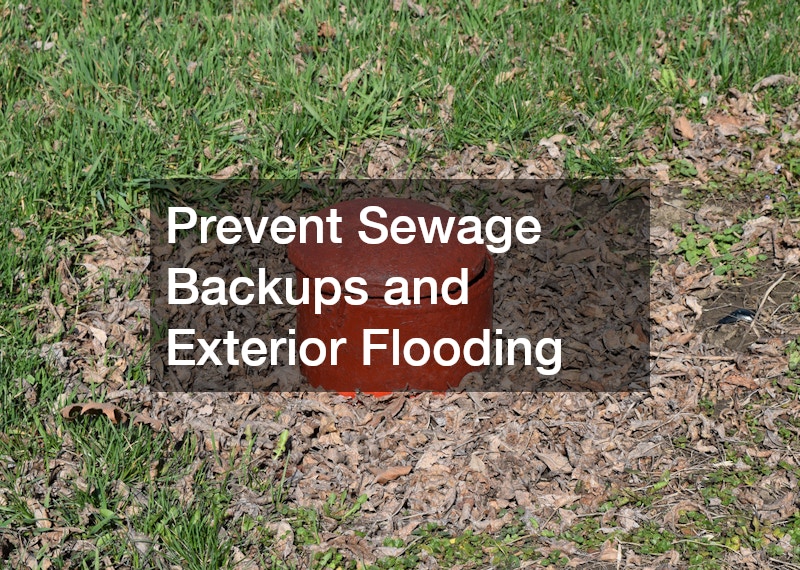
Homes with private wastewater systems need regular pumping and inspection. Slow drains, sewage odors, gurgling fixtures, standing water, and unusually green grass over the drain field can signal trouble. Ignoring these symptoms may allow waste to back up into the house or contaminate the surrounding soil.
Septic system installation may become necessary when an existing tank is undersized, damaged, improperly located, or connected to a failing drain field. It may also be required when an addition increases the number of bedrooms or expected water use. The project should begin with a site evaluation, soil testing, and an engineered plan that meets local health department requirements.
Keep records showing:
- The tank size and material
- The drain-field location
- Permit and inspection approvals
- Pumping and maintenance history
- Repairs to pumps, alarms, or distribution components
Avoid driving, parking heavy equipment, or building structures over the drain field, as the added weight can compact the soil and damage buried pipes. Do not plant large trees nearby because their roots may grow into distribution lines and interfere with the system. Roof runoff, sump-pump discharge, and other sources of excess water should also be directed away from the area. When the surrounding soil becomes saturated, it cannot absorb and filter wastewater properly, increasing the risk of slow drains, sewage backups, standing water, and premature system failure.
Surface drainage is equally important to protecting the home. Leaves, sediment, trash, and winter debris can block catch basins, culverts, and drainage channels, causing water to collect near the foundation or flow toward lower levels of the property. Regular storm drain cleaning helps keep these pathways open before heavy rain, rapid snowmelt, or severe storms. Homeowners should also check that grates are secure, underground pipes are not crushed or clogged, and surrounding soil is graded to direct water away from the house. Addressing small drainage problems early can help prevent basement flooding, foundation erosion, mold growth, and costly water-damage claims.
A complete drainage check should include:
- Cleaning gutters and roof valleys
- Extending downspouts away from the foundation
- Clearing catch basins and channel drains
- Repairing crushed or separated drainpipes
- Regrading soil that slopes toward the house
- Testing sump pumps and backup batteries
- Checking window wells and basement stair drains
Ask your agent whether the policy covers sewer or drain backups. Standard coverage may exclude this type of loss unless an endorsement is added. Flooding caused by rising surface water is also commonly excluded from ordinary homeowners insurance.
Address Plumbing and Water-Heating Problems Early
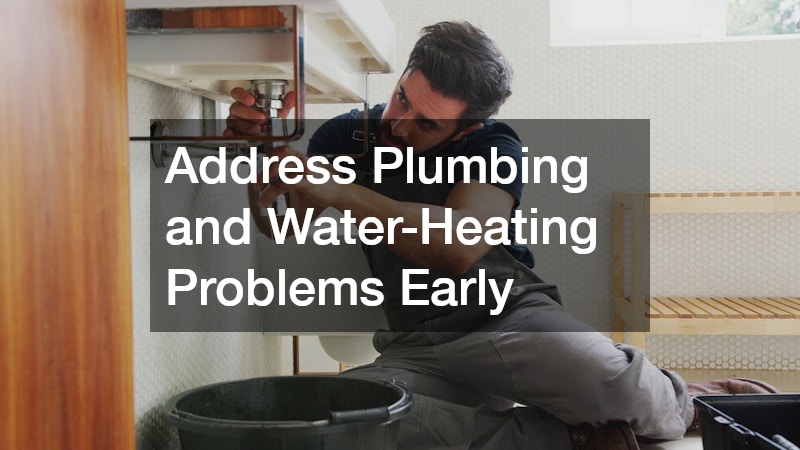
Small plumbing failures can release hundreds or thousands of gallons of water before they are discovered. Supply hoses, shutoff valves, toilet connections, refrigerator lines, and aging pipes can fail suddenly. Regular inspection and early replacement are usually far less expensive than drying and rebuilding damaged rooms.
Water heaters deserve particular attention because they combine a large volume of water with heat, pressure, fuel, or electricity. Moisture around the tank, rust-colored water, popping sounds, inconsistent temperatures, corrosion, or repeated pressure-relief valve discharge may indicate that water heater repair is needed. A leaking tank often cannot be repaired and may require replacement.
Reduce the potential for damage by installing:
- A properly sized drain pan and drain line
- A nearby leak sensor
- An automatic water shutoff device
- A thermal expansion tank when required
- A correctly installed pressure-relief discharge pipe
- Accessible shutoff valves
Gas-fired equipment must have proper venting, combustion air, and clearance from stored materials. Electric units should have correct wiring, overcurrent protection, and disconnecting means.
A licensed local plumber can inspect the water distribution system for corrosion, excessive pressure, failing valves, outdated materials, and hidden leaks. Excessive water pressure can shorten the life of fixtures, hoses, appliances, and fittings. Installing or replacing a pressure-reducing valve may reduce stress on the system.
Focus on common failure points such as washing-machine hoses, refrigerator supply lines, toilet connectors, pipes exposed to freezing temperatures, and connections behind appliances. Replace vulnerable lines with approved materials where appropriate, insulate pipes in cold spaces, and seal openings that allow outdoor air to reach plumbing.
Every household member should know where the main shutoff is and how to operate it. Smart leak-detection systems can monitor unusual flow and shut off the water automatically. Some insurers offer discounts for approved protective devices, particularly when they are professionally installed and monitored.
Protect Water Supplies and Maintain Climate-Control Equipment
Private wells and heating or cooling systems may receive little attention until they stop working. Their failure can create water shortages, frozen pipes, moisture problems, fire hazards, or unsafe indoor conditions. Routine testing and preventive service help identify issues before they become emergencies.
A private well should be tested periodically for bacteria, nitrates, minerals, and contaminants common to the area. Changes in taste, odor, color, pressure, or sediment may indicate a problem with the well, casing, pump, pressure tank, or surrounding groundwater.
Well drilling may be required when an existing source no longer produces enough water, contamination cannot be corrected, the casing is damaged, or an addition substantially increases demand. New construction may also require a properly located source that meets setback requirements from wastewater components, fuel tanks, property lines, and other hazards.
Important records include:
- Depth and casing specifications
- Pump size and installation date
- Flow and recovery test results
- Water-quality reports
- Permits and completion certificates
- Documentation showing that abandoned wells were sealed
Protect the wellhead from vehicles, lawn equipment, pesticides, fertilizers, standing water, and animal waste. The casing should extend above grade, remain securely capped, and be surrounded by soil that slopes away from it.
Heating and cooling equipment also plays a major role in preventing property damage. Professional HVAC services can identify cracked heat exchangers, blocked vents, loose electrical connections, clogged condensate drains, refrigerant issues, failing motors, and defective safety controls.
A seasonal service visit should typically include:
- Replacing or cleaning filters
- Inspecting burners and ignition systems
- Testing safety switches
- Checking electrical connections
- Cleaning condensate drains
- Examining venting and exhaust components
- Evaluating airflow and thermostat operation
- Inspecting heat exchangers
A clogged condensate drain can damage ceilings, walls, or flooring. A failed furnace during winter can lead to frozen plumbing, while poorly vented fuel-burning equipment can create carbon monoxide exposure. Install smoke and carbon monoxide alarms in the required locations, test them monthly, and replace devices at the end of their service lives.
When equipment is replaced, keep the permit, invoice, model information, efficiency rating, and warranty. Notify the insurer when major systems are updated, particularly if older fuel-burning or electrical equipment has been removed.
The most valuable home improvements are not always the most visible. Strengthening the structure, controlling water, preparing for outages, maintaining mechanical equipment, and replacing aging systems can reduce the likelihood of severe damage. These projects may also make the property safer, more comfortable, and easier to maintain.
Insurance savings are never guaranteed. Discounts depend on the carrier, location, policy, construction type, and specific improvements completed. Some projects may reduce one type of risk while increasing the home’s replacement cost. That is why communication with an insurance professional is essential before and after major work.
Review the policy at least once a year and whenever a significant improvement is completed. Provide receipts, permits, inspection certificates, warranties, product specifications, and updated photographs. Ask whether protective-device discounts or additional endorsements are available. A well-documented, carefully maintained property gives both the homeowner and the insurer a clearer understanding of the risks, the improvements, and the coverage needed.
The article uses all 10 keywords once, with two assigned to each main section and none included in the introduction, conclusion, or subheadings.